
How to Shortlist a Scroll Saw to Buy by Throat Depth and Arm Design
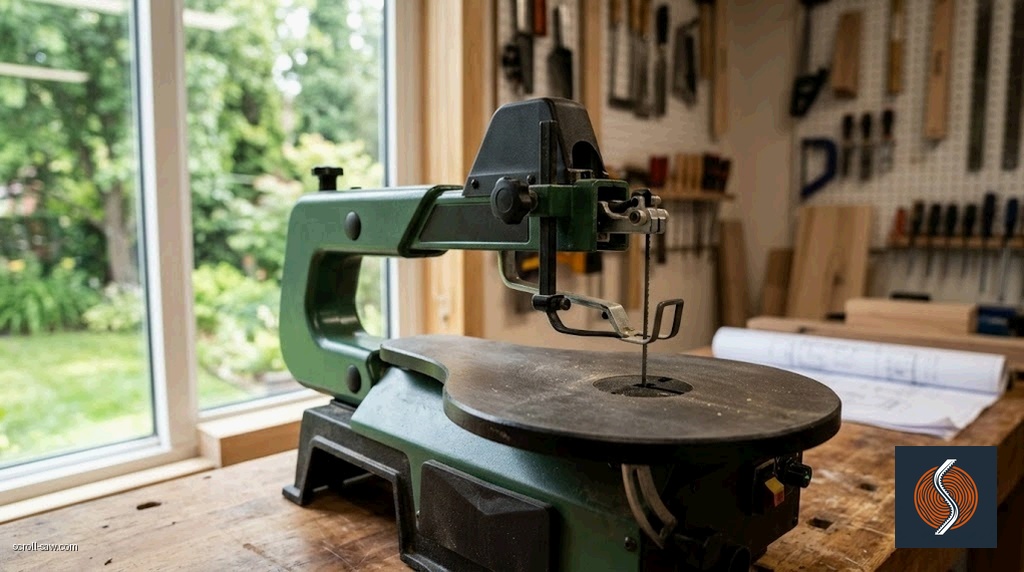
How to Shortlist a Scroll Saw to Buy by Throat Depth and Arm Design
Every scroll saw shopping trip starts the same way. You Google best scroll saw to buy, get a list of ten saws, and end up more confused than when you started. What that list rarely tells you is that only two specs actually shortlist your buy: throat depth and arm design. Get those two right and the model choice narrows to three or four honest options. Get them wrong and no model on the list will make you happy.
A scroll saw throat depth caps the width of workpiece you can cut, and its arm design determines vibration under load. Those two decisions come before brand, motor size, or SPM range, because they set the ceiling of what any model can deliver.
The short answer
Match throat depth to the largest pattern you plan to cut: 16 inches for craft-book projects, 20 inches for pattern-book fretwork, 21+ inches for large clocks or specialty work. Then choose parallel-arm design over C-arm design whenever your budget allows, because parallel arms cut vibration by an order of magnitude. Those two decisions shortlist your buy to three or four models across the price range.
Step 1: throat depth
Throat depth is the horizontal distance from the blade to the back of the arm, and it caps the maximum workpiece width. Buying more throat than you need adds cost and shop space; buying less means every pattern-book project is a section-and-glue exercise.
-
16-inch throat: WEN 3921, Skil 3335, Genesis GSS160, older Delta 40-540. Fits small ornaments, keychains, puzzles up to about 14 inches wide.
-
20-inch throat: DeWalt DW788, Delta 40-694, older Craftsman 20-inch saws. Fits most published fretwork patterns.
-
21+ inch throat: Pegas 21, Excalibur EX-21, Hegner Multimax. Fits large clocks, ornate fretwork, custom signs.
Size up if you plan to grow into larger patterns. Do not size up just for future potential; the extra throat adds mass and often more vibration on cheaper builds.
Step 2: arm design
Arm design is the geometric choice that decides vibration profile, and vibration decides cut quality more than any other spec.
-
C-arm: a single cast curved arm holds the blade. Simple, cheap, more vibration. Common on entry saws.
-
Parallel-arm: two straight arms move up and down in unison. Nearly perfect vertical blade travel. Standard on mid-tier saws (DW788).
-
Parallel-link: parallel arms with additional linkage that further reduces vibration. Standard on premium saws (Excalibur, Pegas).
Parallel arms and parallel-link designs cut hardwood, hold fine blades on a line, and vibrate meaningfully less than C-arm saws at any given SPM. If your budget allows parallel arm, take it.
Step 3: blade-change system
After throat and arm, the blade clamp is the next decision. Tool-free thumbscrew clamps are the current standard on quality saws. Setscrew clamps (require a hex key) survive on some entry saws and slow every interior cut.
Most interior cuts start with drilling a starter hole, threading the blade through, and reclamping. If that operation takes 15 seconds, you use it freely. If it takes 90 seconds, you avoid it.
Step 4: motor type
Induction motors run quieter, cooler, and longer than brushed (universal) motors. Almost all mid-tier and premium saws use induction; entry saws often use brushed motors.
Amperage matters less than induction vs brushed. A 1.0-amp induction motor cuts calmer than a 1.6-amp brushed motor.
Step 5: table, tilt, insert
A machined (not rough-cast) table is what you want. Confirm with a straight edge that the table is flat. Table tilt to 45 degrees left is standard. A proper blade-slot insert prevents small cutouts from dropping through and reduces exit tearout.
Entry saws often ship without a proper insert. Add one from an aftermarket source or expect frustration on small pieces.
Step 6: dust management and lighting
A dust blower aimed at the pattern line is standard. Some saws include a dust port that fits a standard shop vac hose; some do not. LED lighting is nice on premium saws; a clamp-on gooseneck fills the gap on saws without.
Shortlist by tier
-
Entry tier: WEN 3921 (16-inch, C-arm, brushed). Honest for weekend craft.
-
Mid-tier: DeWalt DW788 (20-inch, parallel-arm, induction). The reference.
-
Step-up: Pegas 21 or Excalibur EX-21 (21-inch, parallel-link). Faster blade change, smoother arms.
-
Premium: Hegner Multimax. Daily-use professional grade.
-
Used bargain: Delta 40-694 (20-inch, parallel-arm). Frequently under mid-tier new price on the used market.
Buying used: what to check
-
Blade clamps hold and release. Test at least three blade changes before buying.
-
Table flatness. Straight edge across the top; daylight means a warranty issue.
-
Arm motion smooth at all SPM. No grinding, no binding.
-
Vibration acceptable. Full mug of water on the base at cruise speed; ripples mean the arms need service.
A used saw that passes these tests at half new price is often the smartest buy.
Verdict
Buy a scroll saw by throat depth first, arm design second, and blade-change system third. Those three decisions shortlist your options to three or four honest models across the price range. Throat sized to your patterns, parallel arms whenever budget allows, tool-free blade clamps for interior cuts. Everything else is refinement. DeWalt DW788 is where the mid-tier value peaks for most hobbyists. Below that, WEN 3921 is honest at its price. Above that, Pegas or Excalibur for daily use.
FAQ
What is the best scroll saw to buy for beginners? For casual craft work, WEN 3921. For serious pattern work from the start, DeWalt DW788.
Is 16 inches of throat enough? For most craft-book projects and puzzles up to about 14 inches wide, yes. For pattern-book fretwork, size up to 20 inches.
Should I buy new or used? Used Delta 40-694 in good condition frequently beats a new saw at similar price. Check blade clamps and table flatness first.
Are parallel-arm saws worth the extra cost? Yes. Parallel arms cut vibration by an order of magnitude and are the single largest quality difference between entry and mid-tier saws.
Do I need variable speed? Strongly recommended. Single-speed saws only work in a narrow range of materials.
How much should a good scroll saw cost? Entry tier under $200 is honest for casual work. Mid-tier DW788 is the reference. Step-up Pegas or Excalibur costs meaningfully more. Premium Hegner is priced like a used car.
References
-
DeWalt DW788 Instruction Manual
-
WEN 3921 Owner’s Manual
-
Pegas 21 Owner’s Manual
-
Fine Woodworking, scroll saw buying guides
-
Wood Magazine, scroll saw comparison archives
Title: Best Scroll Saw to Buy: Shortlist by Throat and Arm Meta description: Shortlist a scroll saw by throat depth and arm design, then by blade-change system and motor. Model recommendations by tier. Slug: best-scroll-saw-to-buy Excerpt: Two specs shortlist your scroll saw buy: throat depth and arm design. Here is how to match both and pick from a short list of honest models.


