
Bi Metal Scroll Saw Blades: When Steel Alone Isn
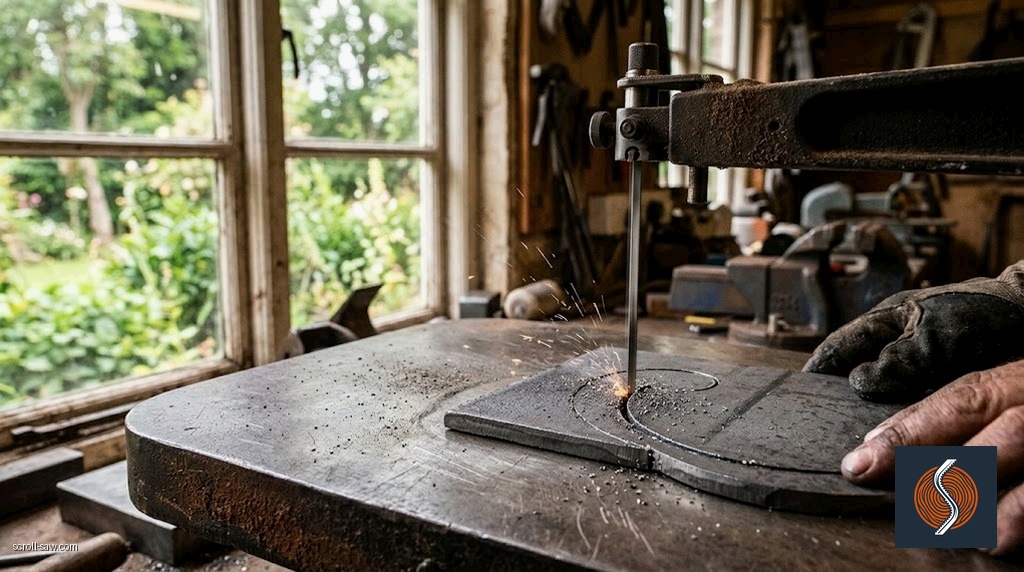
Bi Metal Scroll Saw Blades: When Steel Alone Isn
You tried cutting a brass inlay strip with the same #5 skip-tooth blade you use on walnut. Three passes in, the teeth were rounded off and the strip had barely moved. That’s the moment most scrollers discover bimetal blades.
A bimetal blade is a compromise engineered into steel. The cutting edge is high-speed steel (HSS), hard enough to cut metals that would dull carbon steel instantly. The blade body is spring steel, flexible enough to bend around curves without shattering. Weld the two together and you have a blade that lasts through cuts that eat regular blades.
The direct answer
A bimetal scroll saw blade uses a hardened high-speed steel cutting edge welded to a flexible spring steel body. Use them for non-ferrous metal (brass, copper, aluminum), plastic, and hardened materials that dull carbon steel blades quickly. For plain wood, they cut fine but cost more than necessary. Match TPI to material thickness: 24 to 32 TPI for thin metal, 14 to 18 TPI for thicker plastic and non-metallic composites.
What bimetal solves
Regular scroll saw blades are made of one grade of carbon steel. They cut wood well and dull fast on almost anything else. The problem: carbon steel that’s hard enough to cut brass is too brittle to survive the flexing action of a scroll saw. So blade makers weld two steels together, high-speed on the edge, spring on the body, giving both hardness where it cuts and flexibility where it flexes.
Bimetal isn’t magic. It doesn’t cut wood faster than a wood blade. It doesn’t turn tighter than a narrow wood blade. What it does is stay sharp much longer on materials that would ruin a carbon blade in five minutes.
Where bimetal blades belong in your drawer
Non-ferrous metals. Brass, copper, aluminum, mild-steel sheet under 1/16”, pewter. Use 24 to 32 TPI. Feed slow. Use cutting wax or a light oil.
Hardwood veneers over dense substrates. Marquetry work where the veneer sits on baltic birch or MDF.
Composites and dense plastics. Corian, HDPE, phenolic sheet, layered composites. 14 to 18 TPI.
Bone and antler. For inlay or specialty craft. 24+ TPI.
What bimetal blades are not for: everyday wood cutting. A wood blade costs a fraction as much and cuts wood better.
What to buy
Dedicated bimetal scroll saw blades sit in a smaller corner of the blade market. Amazon selection is narrower than for wood blades, but the mainstream options are enough for most needs.
For thin non-ferrous metal, look for 24 to 32 TPI scroll saw blades specifically labeled bimetal or metal-cutting. Olson’s metal-cutting line is the widely available default. Search on Amazon for “Olson metal scroll saw blade” and confirm the pack is 5-inch (or 6-inch if you have a Hegner) and matches your saw’s end type.
For pin-end saws cutting mixed materials, some general-purpose assortments include a couple of higher-TPI blades useful for metal. The Olson 42401 Pin End 18.5 TPI card is fine for very thin brass or aluminum if you don’t want a dedicated bimetal pack, though it will dull noticeably faster than a real bimetal blade.
Honest drawback of bimetal blades: they’re pricier per blade, they cut slower than wood blades on wood, and if you don’t need them, the added rigidity of the HSS edge can feel less responsive on tight curves.
Cutting technique for bimetal work
Slow the stroke rate. Most scroll saws have variable speed. Drop the SPM to the slowest usable setting for metal. Fast strokes overheat the blade edge.
Feed pressure light and steady. Metal doesn’t compress like wood. Push too hard and the blade wanders or breaks. Let the teeth pull the metal.
Use a lubricant. Beeswax, cutting wax, or a light machine oil on the blade extends its life dramatically. On brass and aluminum especially, unlubricated cutting welds tiny chips to the teeth, dulling them fast.
Back the workpiece. Metal chatters against a bare table. Clamp or double-stick tape the workpiece to a wood backer to hold it firm and support the cut on the underside.
Expect slower progress. A cut that takes 30 seconds in wood may take 5 minutes in the same thickness of brass. That’s normal.
The verdict
Bimetal scroll saw blades earn their place when you cut anything harder than wood. Buy them specifically for metal, plastic, and composite projects. Keep them in a separate corner of the drawer so you don’t reach for one by accident on a wood project. Use them slowly, lubricate them, and they’ll last through cuts that would destroy carbon blades. For pure woodworking, stick with carbon.
FAQ
Can I cut ferrous metal (steel, iron) with bimetal scroll saw blades? Only very thin mild steel sheet (under 1/16”) and only very slowly. Scroll saws aren’t ideal for ferrous work regardless of blade. A metal-cutting bandsaw or hacksaw is faster and safer.
What TPI do I need for cutting brass? 24 to 32 TPI for thin brass (under 1/16”). Higher TPI (32+) for foil-thin work. Lower TPI (18) for 3/32” and thicker.
Do bimetal blades cut wood? Yes, and cleanly, but slower than a wood blade and at higher cost per cut. Not the right tool for wood.
How long do bimetal blades last cutting brass? Significantly longer than carbon blades on the same job. A single bimetal blade might handle 10 to 20 feet of cutting in thin brass. Carbon might handle 2 feet before dulling.
Are bimetal scroll saw blades the same as bimetal band saw blades? Different tools, different formats. Both use the same steel-welding concept but the blade geometry is completely different.
Do bimetal blades exist in pin-end? Yes, though the selection is smaller than for plain-end. Any pin-end saw can cut metal with the right blade.
What lubricant works best on bimetal blades? Beeswax stick is the traditional choice. Cutting wax (marketed for jigsaws and metal-cutting saws) works well. Light machine oil applied sparingly is fine. Avoid petroleum jelly, it burns and gums up the teeth.
References
-
Olson Saw Company bimetal and metal-cutting blade specifications: olsonsaw.net
-
Pégas Sawblades metal-cutting product line: pegas-swiss.com
-
Scroll Saw Association of the World, blade selection for non-wood materials: saw-online.com


