
Scroll Saw Woodworking and Crafts Magazine: A Reader
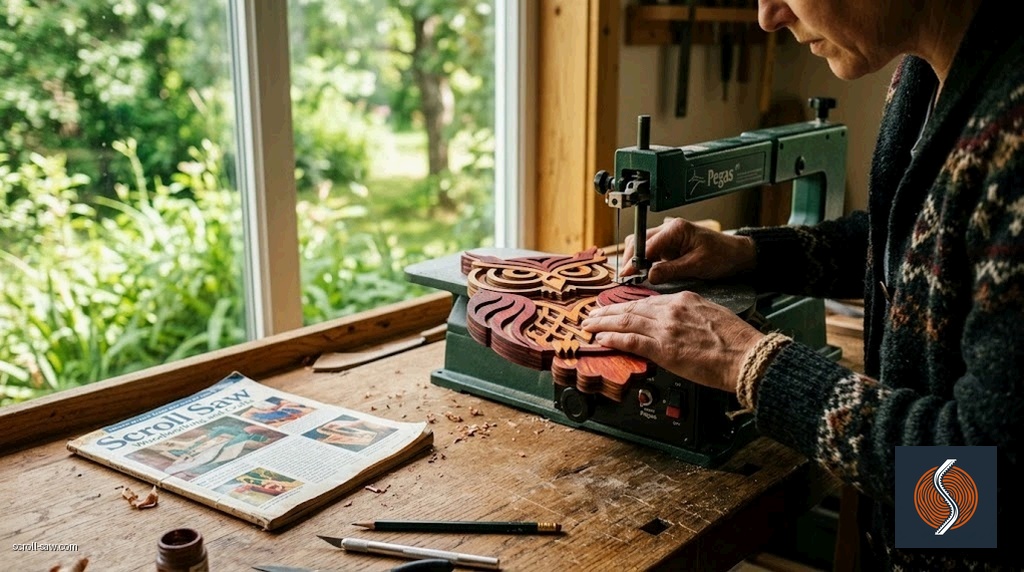
Scroll Saw Woodworking and Crafts Magazine: A Reader
Someone gifted me a subscription to Scroll Saw Woodworking and Crafts a few years back, and it changed how I thought about scroll sawing. Not because the patterns were dramatically better than what I could find online, but because the technique articles named things I had been doing wrong for years and offered fixes I could apply the same weekend.
That is what the magazine actually is: a curated, editorially reviewed source of scroll saw technique, projects, and community, published quarterly by Fox Chapel. It is not a general woodworking publication. It is not a pattern-only pattern book. Understanding what it is (and what it is not) helps you decide whether to subscribe, and how to use it well if you do.
What Scroll Saw Woodworking and Crafts actually publishes
Each issue includes several kinds of content, in rough proportions.
Projects with full patterns. Typically six to ten projects per issue, each with step-by-step photos and downloadable or bound-in patterns. The patterns include recommended stock thickness, blade sizes, and cutting sequence notes.
Technique articles. Deep dives on specific skills: stack cutting, marquetry, portrait cutting, blade selection, finishing. These are the highest-value pages in most issues.
Tool reviews. New scroll saws, blade lines, accessories, and finishing products. Editorial reviews rather than paid content, though sponsored placement exists like any magazine.
Reader galleries. Photos of finished work submitted by readers. Useful for inspiration and for seeing what a broad range of skill levels produces.
Community features. Interviews with pattern designers, profiles of scroll saw clubs, and coverage of the annual Scroll Saw Association of the World convention.
A typical issue runs 96 pages. Not every article will be relevant to every reader; that is normal for a specialty magazine. Two or three high-value pieces per issue is a reasonable expectation.
The direct answer: is Scroll Saw Woodworking and Crafts worth subscribing to?
Yes, for three reader profiles.
Serious hobbyists building technique. The technique articles alone justify the subscription for anyone practicing deliberately. Named fixes for named problems, with photos, from experienced authors.
Pattern collectors. The bound-in patterns accumulate over years into a working library. Subscribers with several years of back issues have a broad pattern collection organized by category.
Readers who prefer curated content to online searching. The editorial filter removes noise. Instead of searching for scroll saw articles online and evaluating each one, subscribers get four to six curated issues per year.
Probably not worth subscribing to for two profiles.
Occasional hobbyists who use the saw a few times a year. The volume of content will outrun the reader’s use of it. A one-time back-issue purchase covers occasional needs.
Digital-only preferrers who want everything searchable. The digital archive exists but is not as easy to search as native web content. Readers who search for information rather than browse for inspiration are better served by online forums and dedicated web archives.
What to expect from a first-year subscription
A year of Scroll Saw Woodworking and Crafts is four issues in the U.S. Over those four issues, you can expect:
-
20 to 40 project patterns, ranging from beginner ornaments to advanced portraits.
-
12 to 20 technique articles at varying depth.
-
Reviews of 4 to 8 new tools or accessories.
-
200 to 400 reader gallery images.
-
Coverage of the annual convention.
-
Two or three long-form profile pieces on designers or shops.
That is enough content to feed a hobby year comfortably. Not every reader will use every pattern. The technique articles are the pieces most subscribers keep and reread.
How to use the magazine well
Having the magazine and getting value from it are two different things. Here is what works.
Read each issue at the bench, not on the couch. Many technique articles benefit from immediate practice. Read a section on stack cutting, then stack-cut a small piece of scrap the same afternoon. Retention is much higher than reading-and-shelving.
File patterns by category, not by issue. A three-ring binder with dividers (animals, ornaments, portraits, boxes, and so on) makes patterns findable months later. Filing by issue makes them findable only if you remember which issue.
Mark technique articles for return visits. A sticky flag on the outside of the page identifies articles worth rereading. Six months later you will not remember which issue covered blade selection for veneer work; the flag reminds you.
Save the tool reviews. Even reviews of tools you do not own are useful context for future buying decisions. Keep a running tool-review file separate from patterns.
Use the reader gallery for inspiration, not comparison. The gallery includes work from beginners and from career professionals. Compare your progress to your own past work, not to work from someone with thirty years at the saw.
What the magazine does not cover well
Every specialty publication has gaps. Scroll Saw Woodworking and Crafts has three.
Deep repair and machine overhaul. The magazine covers routine maintenance well. It rarely covers the deeper repair work that keeps old machines running. For that, forums and manufacturer documentation are better sources.
Vintage and used-saw analysis. New tool reviews get thorough coverage. Assessing a used Craftsman or a vintage Delta before purchase is not the magazine’s focus. Community forums like Scroll Saw Village fill this gap.
Business and commercial scroll sawing. Selling work at craft fairs, running a puzzle business, or pricing custom portraits are mostly not covered in depth. Some project introductions touch on selling, but the magazine’s core audience is hobby.
Comparison with alternatives
| Source | Content mix | Update frequency | Best for |
| Scroll Saw Woodworking and Crafts | Patterns, technique, reviews | Quarterly print | Serious hobbyists |
| Steve Good's Scrollsaw Workshop | Free patterns, occasional video | Multiple times per week | Pattern volume, casual practice |
| Scroll Saw Village forum | Discussion, reviews, community patterns | Continuous | Troubleshooting, buying research |
| Fine Woodworking | General woodworking, occasional scroll saw | Bi-monthly | Cross-tool learning |
| Fox Chapel pattern books | Curated pattern collections | One-time | Specific project categories |
Fox Chapel Publishing context
Scroll Saw Woodworking and Crafts is published by Fox Chapel Publishing, a specialty book and magazine publisher focused on woodworking, carving, and craft. Fox Chapel also publishes the largest catalog of scroll saw pattern books in print.
Some of the most useful reference books in Fox Chapel’s catalog for scroll saw work include:
-
Books by named designers including Judy Gale Roberts (intarsia), Charles Dearing (portraits), and Rick Longabaugh (patterns)
A reader who values the magazine will likely also value one or two of the reference books. The books deepen what the magazine introduces.
Where the magazine’s technique articles genuinely help
Technique articles are the highest-value pages for most subscribers. Recurring topics that get thorough coverage include:
Blade selection. Every issue includes some blade content. Over a year, subscribers get a working understanding of when to use skip-tooth, reverse-tooth, and modified-geometry blades.
Portrait cutting. A specialty within scroll sawing that the magazine covers regularly. Named designers walk through their process for converting a photograph to a cuttable pattern.
Intarsia and marquetry. Both techniques get regular coverage, often with step-by-step project walkthroughs.
Finishing. Wipe-on stains, oil finishes, spray finishes, and dyes appear in almost every issue. The scroll saw hobby’s finishing challenges (small pieces, delicate edges, intricate inside cuts) are specific enough that general woodworking magazines rarely cover them well.
Compound cutting. A specialty technique that produces three-dimensional shapes from flat blanks. The magazine covers this several times per year at various skill levels.
What a new subscriber should do first
-
Read the current issue cover to cover, marking technique articles with sticky flags.
-
Try one project at your current skill level from the issue.
-
Order one or two back issues from Fox Chapel to build a starter library.
-
Set up a simple filing system (binder with dividers) for accumulating patterns.
-
Note the annual convention date; even if you cannot attend, the coverage in the following issue will be more meaningful.
After a year, most subscribers know whether the magazine fits their hobby. Renew if you have used the technique articles and completed at least two projects. Do not renew if the issues piled up unread.
Who should skip the magazine: hobbyists who prefer digital-only content, or who use the scroll saw only occasionally. Free online resources (Steve Good’s blog, Scroll Saw Village, general search) cover occasional-use needs adequately.
Who should subscribe: serious hobbyists who want editorial curation, pattern-book quality, and technique articles that they can practice immediately.
FAQ
How often is Scroll Saw Woodworking and Crafts published?
Quarterly. Four issues per year in the U.S., with occasional special editions and annuals.
Is there a digital version?
Yes. Fox Chapel offers digital access to current and back issues. Some readers prefer digital for portability; others find the bound-in patterns more useful in print form.
Can I buy just the patterns without subscribing?
Some patterns from past issues are collected into Fox Chapel books and pattern packs. The magazine subscription remains the way to get the newest patterns as they are published.
Does the magazine cover free patterns and free resources?
Occasionally. The magazine covers pattern designers who sell their work more than free-pattern sources. Editorial coverage of free resources like Steve Good’s blog exists but is less frequent.
Are the patterns beginner-friendly?
Most issues include a range from beginner to advanced. Beginners can complete two or three projects per issue at their level. Advanced readers will find the harder projects sufficiently challenging.
Does the subscription include access to back issues?
Digital subscriptions typically include back-issue access. Print-only subscriptions do not. Check the current subscription terms on the Fox Chapel site.
Are the tool reviews trustworthy?
Editorial reviews with named authors, generally with disclosed test conditions. Not perfect but among the more reliable review sources for scroll saw tools. Cross-check with community reviews on Scroll Saw Village for a full picture.
Where can I find current subscription details?
Through Fox Chapel Publishing directly or the magazine’s own site at scrollsawer.com.
References
-
Scroll Saw Woodworking and Crafts Magazine. scrollsawer.com
-
Fox Chapel Publishing. foxchapelpublishing.com
-
Scroll Saw Village community discussions of the magazine. scrollsawvillage.com
Title tag: Scroll Saw Woodworking and Crafts Magazine: A Reader’s Guide
Meta description: What Scroll Saw Woodworking and Crafts publishes, who benefits from a subscription, and how to use each issue so the patterns and technique articles actually improve your work.
URL slug: scroll-saw-woodworking-magazine
Excerpt: A curated, quarterly scroll saw magazine changes what you know is possible at the saw. Here is what to expect from a subscription, which reader profiles benefit most, and how to use each issue well.


