
Scroll Saw Safety: Rules, Setup, and Prevention
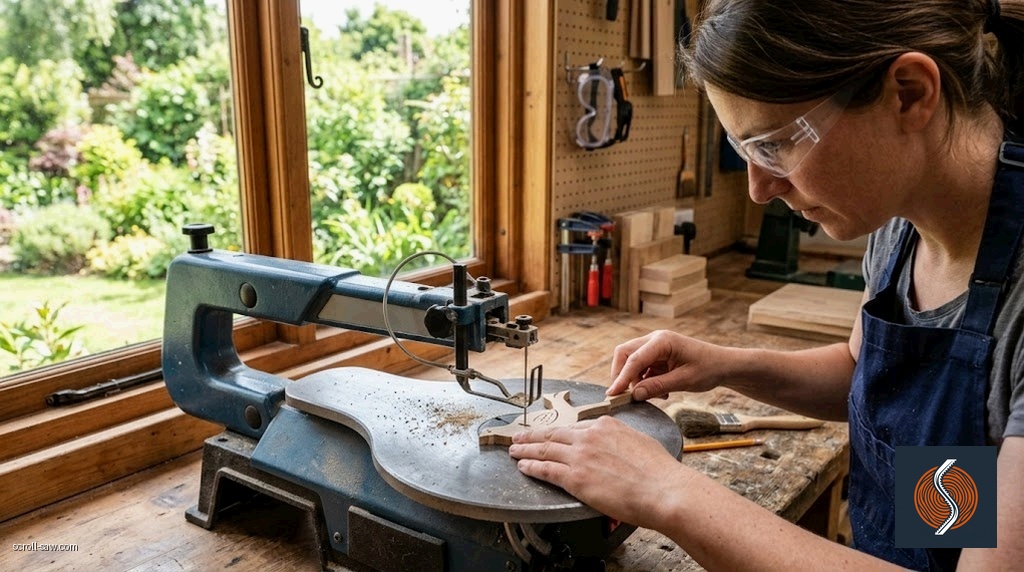
Scroll Saw Safety: Rules, Setup, and Prevention
Scroll saws are among the safest power tools in a home shop. The blade is small, the stroke is short, and the mechanism cannot pull a hand into the cutter the way a table saw or router can. This reputation is deserved, and it also leads to complacency. Every year sees the same avoidable injuries: pattern lifted with a finger too close to the blade, cut across the top of an index finger from feeding without watching, eye irritation from unfiltered dust, hearing degradation from years of unprotected exposure.
Safety on a scroll saw is not about fear. It is about a handful of habits that take almost no time and prevent almost every scroll saw injury.
What scroll saw safety actually covers
Six categories.
Blade safety. Fingers, hands, and pattern paper away from the blade during cutting.
Eye safety. Safety glasses at every cut. Fine dust and blade fragments are the risks.
Respiratory safety. Dust management. Hardwood dust, MDF dust, and finish dust from sanding are the risks.
Hearing safety. Extended exposure at 80–95 dB over years causes measurable hearing loss.
Electrical safety. Grounded outlets, tested GFCI, intact cords. Basic shop electrical.
Ergonomic safety. Long sessions cause posture and repetitive-motion issues that add up over years.
Most hobbyists focus on the first two and neglect the last four. Serious woodworkers who have spent decades in the craft usually attend to all six.
The direct answer: what safety rules matter most?
Seven rules cover most scroll saw injuries.
1. Fingers away from the blade. Keep both hands at least an inch from the blade at all times. Feed the workpiece, do not lean over the blade to reach.
2. Safety glasses at every cut. No exceptions. The blade will occasionally break and eject fragments.
3. Dust extraction running. Shop vac at the built-in port. Hardwood dust is a respiratory hazard over years of exposure.
4. Hearing protection for extended sessions. Foam plugs or earmuffs. Even scroll saws produce enough noise for extended exposure to matter.
5. No loose sleeves, jewelry, or long hair. Nothing hangs down onto the table where the blade is.
6. Task lighting on the cut line. Bad lighting causes hand-eye coordination errors. Good lighting prevents them.
7. Foot off the pedal during setup. If using a foot pedal, keep the foot completely off while hands are near the blade.
These are not extreme measures. They are the baseline for safe operation.
Blade safety specifics
The blade is small, but it moves at 400–1,800 strokes per minute. Even a small blade at that speed will cut skin.
Hand position. Both hands on the workpiece, not on the blade side. Feed by pushing the workpiece, not by pulling.
Push blocks and hold-downs. Not typically needed on a scroll saw. Fingers are usually adequate at safe distance.
Blade changes with power off. Unplug or switch off completely. Not just the foot pedal.
Blade breakage. Blades break with regularity. Safety glasses catch fragments. Keep the blade tension appropriate; excess tension increases breakage.
Cutting near the end of the workpiece. As the workpiece gets smaller, fingers get closer to the blade. Use a small hold-down or push stick for the final cuts on small pieces.
Pattern lifting. Do not lift the pattern with a finger while the blade is running. Power off first.
Never reach across the blade. Retrieve a fallen tool or piece of stock from your side of the saw only. Walk around if needed.
Eye safety specifics
Safety glasses at every cut. Full-time. Not just for hardwood; softwood dust and blade fragments are the same hazard.
Side shields. Basic safety glasses have side shields; use them.
Prescription glasses. Not adequate as safety glasses without side shields. Buy safety glasses that fit over prescription lenses, or prescription safety glasses.
Dust in eyes. Immediate flush with clean water at an eye-wash station or bathroom sink.
Blade fragment in eye. Do not rub. Flush with water. If the fragment does not flush out, seek medical attention.
Respiratory safety specifics
Dust from scroll saw work accumulates faster than most hobbyists expect. Hardwood, MDF, and finish sanding all produce respirable particles.
Built-in dust nozzle. Aim directly at the blade entry. Every scroll saw has one; use it.
Shop vac at the built-in port. Immediate reduction in dust exposure.
Ambient air cleaner. For shops with regular use. Rockler, JET, Powermatic, and generic units. Runs continuously during work.
Respirator for extended sessions. N95 or better. Necessary for MDF, exotic hardwoods (some species are respiratory sensitizers), and long fine-sanding sessions.
Ventilation. Fresh air exchange in the shop. Open a window, run an exhaust fan, or install a proper ventilation system.
Species awareness. Some woods (western red cedar, cocobolo, wenge, and others) are known respiratory sensitizers. Use additional respiratory protection.
Hearing safety specifics
A scroll saw at working speed produces 75–85 dB depending on the model. Not immediately dangerous, but hours of daily exposure over years causes cumulative hearing loss.
Foam plugs for extended sessions. Inexpensive and effective. 25–32 dB reduction.
Earmuffs for maximum protection. Better fit for people who find foam plugs uncomfortable.
Bluetooth hearing protection. Combines hearing protection with music or podcast audio. Some hobbyists find this improves their tolerance for wearing protection through long sessions.
Sound-absorbing shop treatment. Reduces reverb in a shop. Helpful for reducing overall exposure.
Age-related hearing loss. Adds to occupational exposure. Older hobbyists benefit especially from hearing protection.
Electrical safety specifics
Grounded three-prong outlets. All scroll saws have three-prong plugs. Use them properly.
GFCI protection. Especially in shops where dampness or grounding conditions may be uncertain.
Intact cords. Brittle, cracked, or exposed wiring means the cord needs replacement. Not something to work around.
No adapters or splitters. Direct to a wall outlet or a heavy-duty extension cord rated for the saw’s amperage.
Foot pedal wiring intact. If using a foot pedal, verify the wiring is in good condition.
Unplug for blade changes and internal work. Not just the pedal off; fully unplugged.
Ergonomic safety specifics
Long-term scroll saw work causes specific ergonomic issues that hobbyists often ignore.
Bench height. Elbow height at 90 degrees when seated. Bench too high causes shoulder fatigue; too low causes back strain.
Chair with proper support. Not a stool for long sessions. Back support matters.
Screen distance and lighting. Not the saw specifically, but for pattern preparation on a computer. Extended pattern work causes eye strain.
Breaks every 30–45 minutes. Stand, stretch, move around. Prevents repetitive-motion issues.
Hydration. Extended sessions in a dry shop cause dehydration.
Wrist and hand fatigue. Scroll saw feed involves constant fine hand motion. Cumulative strain matters.
Setup: making the shop safer
Bolt saw to bench. Vibration reduces control precision.
Dust extraction connected. Shop vac at the built-in port before starting.
Task lighting positioned. No shadow on the cut line.
Safety glasses within reach. Not stored across the shop. On the bench or on the saw.
Hearing protection within reach. Similarly accessible.
First aid kit in the shop. Small bandages, gauze, antiseptic. For minor cuts.
Emergency shutoff. Foot pedal or a power strip switch within easy reach.
Clean floor. Sawdust on the floor is a slip hazard.
Escape path clear. Do not block the shop exit with stock or projects.
Fire extinguisher. Rated for electrical and wood fires. Near the shop entrance.
Common scroll saw injuries and how to avoid them
Cut across the top of a finger
Cause: reaching over the blade while it is running. Prevention: keep hands on the feed side. Foot completely off the pedal during any hand movement near the blade.
Cut from a broken blade fragment
Cause: blade break with poor tensioning or a dull blade. Prevention: match tension to blade size. Replace blades before they are visibly worn.
Eye irritation from dust
Cause: no dust extraction, no safety glasses with side shields. Prevention: dust extraction and eye protection at every cut.
Respiratory sensitivity to hardwoods
Cause: extended exposure to species that are known sensitizers. Prevention: respirator during exotic hardwood work. Species awareness.
Hearing loss over decades
Cause: cumulative exposure without protection. Prevention: earplugs or earmuffs during extended sessions.
Back or neck strain
Cause: poor bench height, poor chair support, long sessions without breaks. Prevention: proper ergonomics and regular breaks.
Repetitive-motion injuries
Cause: extended cutting sessions with constant fine hand motion. Prevention: breaks every 30–45 minutes.
Trip or slip in the shop
Cause: sawdust or clutter on the floor. Prevention: regular shop cleanup.
Scroll saw safety for children and beginners
Special considerations.
Adult supervision. All child scroll saw work under direct adult supervision, close enough to intervene.
Age appropriateness. Most safety curricula suggest 8–10 as the minimum age for supervised scroll saw work.
Sized-down safety equipment. Small safety glasses. Small hearing protection.
Simple projects. Simple silhouettes without delicate detail. Success builds confidence and habit.
Explicit safety rules. Written or verbally reinforced before every session.
Hand position emphasis. The single most important rule for young sawyers.
Power off means fully off. Not “foot off the pedal.” Fully powered off before hands go near the blade for any reason.
Comparison of scroll saw safety measures by importance
| Measure | Cost | Effort | Injury prevention |
| Safety glasses at every cut | Low | Minimal | Very high (eye) |
| Hands away from blade rule | Free | Habit | Very high (cut) |
| Dust extraction | Moderate | Setup | High (respiratory) |
| Hearing protection | Low | Habit | Moderate (long-term) |
| Task lighting | Low | Setup | Moderate (accuracy) |
| Foot pedal discipline | Free | Habit | High (cut) |
| Regular breaks | Free | Habit | High (ergonomic) |
Where scroll saw safety guides and resources exist
OSHA general woodworking guidance. Not scroll saw specific but applicable. osha.gov
Manufacturer safety pamphlets. Every scroll saw comes with one. Read it.
Scroll Saw Woodworking and Crafts Magazine safety articles. Regular safety features. scrollsawer.com
Community forum safety threads. Scroll Saw Village and Scroll Saw Workshop archives.
Woodworking club safety programs. Local clubs often offer safety orientations for new members.
Manufacturer video content. Many manufacturers post safety-oriented setup videos.
FAQ
What are the top scroll saw safety rules?
Fingers away from the blade, safety glasses at every cut, dust extraction running, foot off pedal during setup, no loose clothing.
Is a scroll saw safer than a table saw?
Yes, significantly. The blade is small, the stroke is short, and the mechanism does not pull the workpiece toward the operator.
Can a scroll saw seriously injure someone?
Yes. Not usually catastrophically, but cut fingers, eye injuries, and respiratory sensitization are all real risks.
Do I need a dust collection system for a scroll saw?
A shop vac at the built-in port is adequate for most hobby use. Full dust collection is useful for high-volume shops.
Are scroll saws safe for children?
With proper supervision, age-appropriate projects, and safety equipment, yes. Under direct adult supervision starting around age 8–10.
How often should I replace safety glasses?
Annually or when scratched enough to obscure vision.
What respirator for scroll saw work?
N95 or better for extended exposure to hardwood dust, MDF, or finish sanding.
Is a scroll saw quieter than a table saw?
Yes, but still loud enough for extended exposure to cause hearing loss over years.
References
-
OSHA woodworking safety. osha.gov
-
Scroll Saw Woodworking and Crafts Magazine safety articles. scrollsawer.com
-
CDC hearing loss prevention. cdc.gov
-
Wood-Database species toxicity chart. wood-database.com
Title tag: Scroll Saw Safety: Rules, Setup, and Prevention
Meta description: The scroll saw safety rules that prevent the most common injuries: blade, eye, respiratory, hearing, electrical, and ergonomic protection.
URL slug: scroll-saw-safety
Excerpt: Scroll saws are among the safest power tools in a home shop, but every year sees the same avoidable injuries. Here are the safety rules and setup habits that prevent almost all of them.


