
15 Inch Scroll Saw: Selection, Setup, and Common Problems
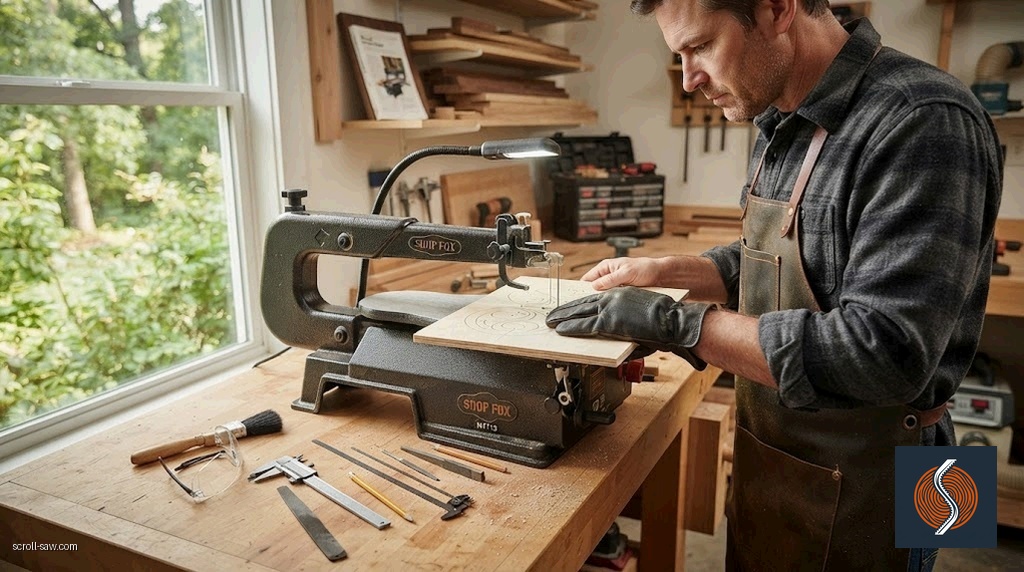
15 Inch Scroll Saw: Selection, Setup, and Common Problems
A 15-inch throat depth sits between the compact 13-inch class and the now-standard 16 to 20-inch range most current scroll saws occupy. Brands including Delta and Jet have offered 15-inch models historically, most no longer in current production, which means most 15-inch saws in circulation today are secondhand.
Direct answer
A 15-inch scroll saw handles the large majority of hobby pattern work comfortably, falling just short of the throat depth needed for the largest decorative panels and portrait-scale projects. Setup and blade selection follow the same general principles as any benchtop scroll saw; the main practical consideration with this size today is that you are likely buying or maintaining an older unit rather than new production.
What a 15-inch throat covers well
Most ornament, small toy, jewelry-scale, and general pattern projects stay comfortably within a 15-inch throat’s working range. This size also handles moderately sized clock faces and decorative pieces that exceed what a 13-inch saw could manage.
Where it falls short
Very large intarsia panels, oversized clock faces, and portrait-scale pattern work designed for maximum-size stock can exceed a 15-inch throat’s reach. If your project list regularly includes this kind of work, a 16-inch or larger saw gives more headroom.
Setting up a 15-inch saw
Bench mounting. Secure firmly regardless of the saw’s size or apparent weight; a stable mount improves cut quality on any scroll saw.
Blade format. Most 15-inch saws use standard 5-inch scroll saw blades, keeping blade sourcing straightforward regardless of the saw’s age or brand.
Speed and blade matching. Match blade type and speed setting to material as you would with any scroll saw; throat size does not change this logic.
Common problems on older 15-inch units
Blade slips or drifts. Check clamp condition first; years of use can wear clamp surfaces on any older saw regardless of brand.
Excess vibration. Confirm secure bench mounting and check for worn arm bushings or linkage components, which are more likely on an older unit that has seen significant use.
Table no longer sits square. Recheck and readjust table alignment against the blade using a small square; this can shift over time or during transport.
Parts sourcing challenges. Since most 15-inch models are discontinued, expect to rely on legacy parts channels, secondhand components, or generic substitutes (blades, set screws) rather than dedicated retail replacement parts.
Buying a used 15-inch saw
Inspect the blade clamps, arm movement, and table condition closely. Ask about maintenance history and how heavily the saw was used, since a lightly used older saw in good condition is often a better find than a heavily worn one regardless of original build quality.
Verdict and takeaways
-
A 15-inch throat handles most hobby pattern work well, short of the largest decorative panels.
-
Blade format and setup principles are the same as any benchtop scroll saw.
-
Most 15-inch units in circulation today are secondhand; inspect condition carefully before buying.
-
Parts sourcing for discontinued models relies on legacy channels and generic substitutes.
Frequently asked questions
Is a 15-inch scroll saw big enough for most projects? Yes, for the large majority of hobby pattern work. It falls short only for the largest panels and portrait-scale projects.
Are 15-inch scroll saws still made new? Most have been discontinued in favor of 16-inch and larger models, so most units available today are secondhand.
What blade size does a 15-inch scroll saw use? Standard 5-inch scroll saw blades, the common format across most benchtop models.
What should I check before buying a used 15-inch saw? Blade clamp condition, arm movement, table alignment, and overall maintenance history.
Why is my older 15-inch saw vibrating more than it used to? Check bench mounting first, then inspect for worn arm bushings or linkage components from years of use.
Where can I find parts for a discontinued 15-inch model? Legacy parts channels, secondhand components from other units, and generic substitutes like standard blades and hardware-store screws.
References
- Legacy Delta and Jet 15-inch scroll saw specification sheets.


