
Before You Use 21 Inch Scroll Saw: Fit, Safety, and Performance Checks
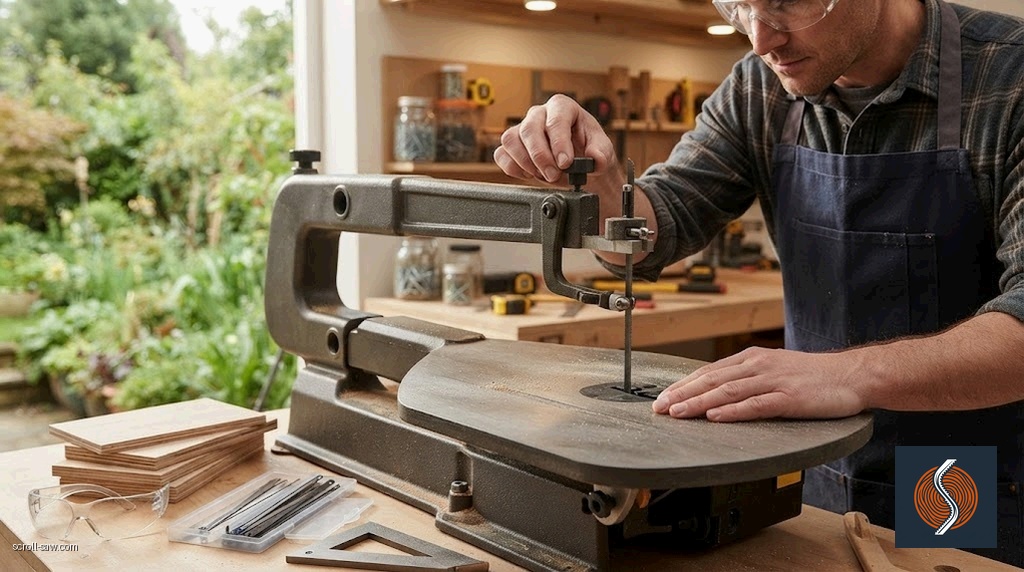
Before You Use 21 Inch Scroll Saw: Fit, Safety, and Performance Checks
Twenty-one inches sits just above the common 20-inch mark, and saws at this size are usually built with hobbyists who want a bit of extra working room in mind. Whether new or secondhand, a short pre-use check catches most issues before they affect a project.
Direct answer
Before your first cut, inspect the power cord and switch, confirm the blade clamp holds securely, check table alignment with a square, verify the arm moves smoothly through its full range without excess play, and run a brief no-load test to catch any noise or vibration issues.
Step 1: Electrical and switch check
Examine the power cord along its full length for cracking or fraying, and confirm the switch engages cleanly without sticking or hesitation.
Step 2: Blade clamp verification
Install a test blade and confirm the clamp holds it securely and straight. If your saw uses a tool-free lever clamp, test the lever action specifically, since these can wear or loosen over time on older units.
Step 3: Table and arm inspection
Check table alignment to the blade using a small square, adjusting as needed. With the saw unplugged, move the arm through its full range of motion by hand, feeling for roughness, play, or binding that could indicate wear.
Step 4: Accessory check
If your saw includes a dust blower or work light, test each independently. Confirm the dust blower delivers adequate airflow and the light holds its position and illuminates properly.
Step 5: No-load run test
With no material loaded, run the saw briefly and listen for unusual noise, watch for excessive vibration, and confirm the blade tracks straight throughout its stroke.
Step 6: Test cut on scrap
Once the checks above pass, cut a scrap piece to confirm real-world cut quality before starting your actual project.
Additional notes for secondhand units
Ask about the saw’s usage and storage history if buying used, and be prepared to spend extra time on the arm and clamp inspection steps, since these are the most common sources of hidden wear on an older machine.
Verdict and takeaways
-
A short pre-use checklist catches most issues before they affect your first project.
-
Pay particular attention to the blade clamp and arm mechanism on secondhand units.
-
Test any accessories independently before relying on them during a project.
-
A no-load run test and scrap cut confirm real-world readiness beyond a visual inspection.
Frequently asked questions
What is the first thing I should check on a new 21-inch scroll saw? The power cord and switch, followed by the blade clamp with a test blade installed.
How do I check for arm mechanism wear? Move the arm through its full range of motion by hand with the saw unplugged, feeling for play or roughness.
Should I test the dust blower and light separately? Yes, confirm each functions properly on its own before relying on them during a project.
What does a no-load test check for? Unusual noise, vibration, or blade tracking issues before you commit material to the saw.
What extra care should I take with a secondhand 21-inch saw? Spend extra time inspecting the blade clamp and arm mechanism, which are common sources of hidden wear.
How often should I run this checklist? Before first use and after any extended period of storage.
References
- General scroll saw safety and pre-use inspection guidance across common brands.


