
Getting Useful Results From 30 Scroll Saw: Setup and Technique
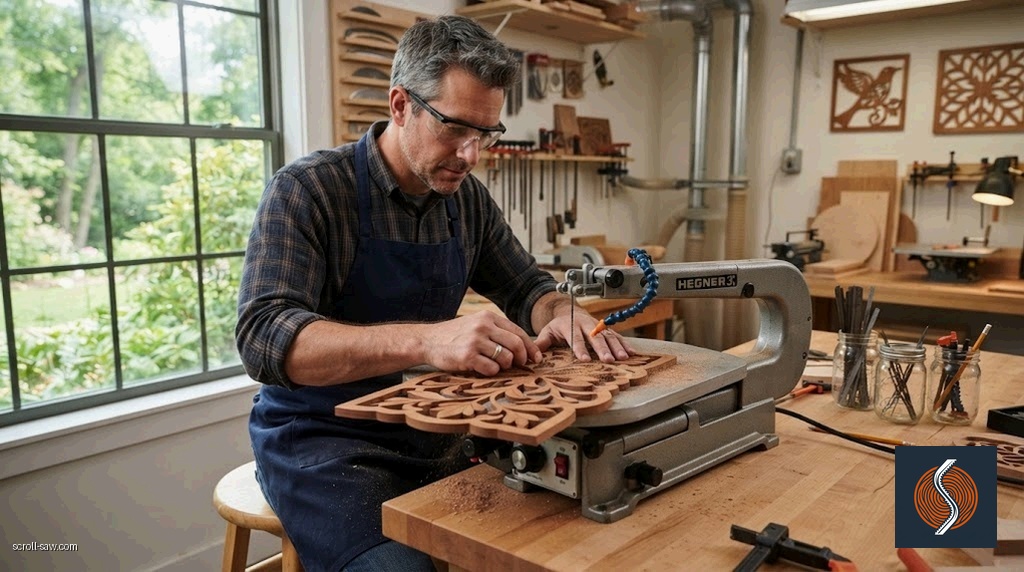
Getting Useful Results From 30 Scroll Saw: Setup and Technique
A premium 30-inch scroll saw from a brand like Excalibur, King, or Seyco is capable of excellent results across a wide range of work, but getting the most from a machine at this level means using its specific features deliberately rather than treating it like a larger version of an entry-level saw.
Direct answer
Use the foot switch for hands-free control during intricate cuts, take advantage of the typically superior arm design for finer detail work than smaller saws can manage as comfortably, tension the blade carefully given the longer working length at this throat size, and match blade and speed to material as you would on any scroll saw, leaning on the saw’s stability to push detail work further than you could on a lighter machine.
Using the foot switch effectively
A foot switch lets you start and stop the saw without removing your hands from the workpiece, which matters most during intricate cuts where repositioning your grip mid-cut risks losing control or drifting off the pattern line. Practice using it on scrap material until the motion feels natural before relying on it for detailed project work.
Taking advantage of arm design
Premium saws at this size typically use a refined parallel-link arm that produces smoother blade motion than budget mechanisms. This translates to cleaner cuts and the ability to push detail work finer than you might attempt on a lesser saw, provided your blade choice and feed technique keep pace with what the mechanism can deliver.
Blade tensioning at this scale
A longer working blade length, which comes with a larger throat, can be more sensitive to under-tensioning than shorter setups. Follow your specific model’s tensioning procedure closely, and recheck tension whenever you change blades or notice any drift in cut quality.
Technique by project type
Fine detail and portrait work. Take advantage of the saw’s stability and smooth arm motion with a fine blade and a patient, controlled feed rate.
Large panel and intarsia cutting. Use the full throat depth to reach interior sections without repositioning, and maintain consistent tension and speed across the longer cutting sessions this kind of work typically involves.
Production repeat cutting. Rely on the quick-release blade clamp to minimize downtime between pattern changes, and use the magnifying lamp if equipped to maintain accuracy across long sessions.
Managing extended sessions
Saws at this tier are built for sustained use, but your own comfort and focus still matter for cut quality. Use good task lighting beyond any built-in lamp, take periodic breaks during long sessions, and maintain a comfortable seated or standing position at the bench.
Maintenance to preserve performance
Clean sawdust from the table, arm mechanism, and motor area regularly, since a saw used for sustained or production work accumulates dust faster than occasional hobby use.
Inspect the blade clamp periodically, particularly if you rely on a quick-release lever mechanism, since these see more frequent actuation in a production workflow than in casual use.
Verdict and takeaways
-
Use foot switch and magnifying lamp features deliberately to get the most from a premium saw.
-
The refined arm design supports finer detail work than lesser saws can manage as comfortably.
-
Tension carefully given the longer working blade length at this throat size.
-
Maintain the saw more frequently if used for sustained or production work.
Frequently asked questions
How do I get comfortable using a foot switch on my scroll saw? Practice on scrap material until the motion feels natural before relying on it for detailed project work.
Does blade tensioning matter more on a 30-inch saw? Yes, the longer working blade length at this throat size can be more sensitive to under-tensioning than shorter setups.
What kind of work benefits most from this saw’s arm design? Fine detail and portrait work, which benefits from the smoother blade motion premium arm mechanisms provide.
How often should I maintain a saw used for production work? More frequently than casual hobby use, since sustained work accumulates dust and wear faster.
Should I take breaks during long cutting sessions? Yes, periodic breaks help maintain focus and cut quality even on a saw built for sustained use.
What is the biggest technique adjustment moving to a saw this size? Deliberately using its specific features (foot switch, magnifying lamp, quick-release clamp) rather than operating it like a larger entry-level saw.
References
- Excalibur, King, and Seyco premium scroll saw owner’s manuals.


