
Before You Use Ace 16 Scroll Saw: Fit, Safety, and Performance Checks
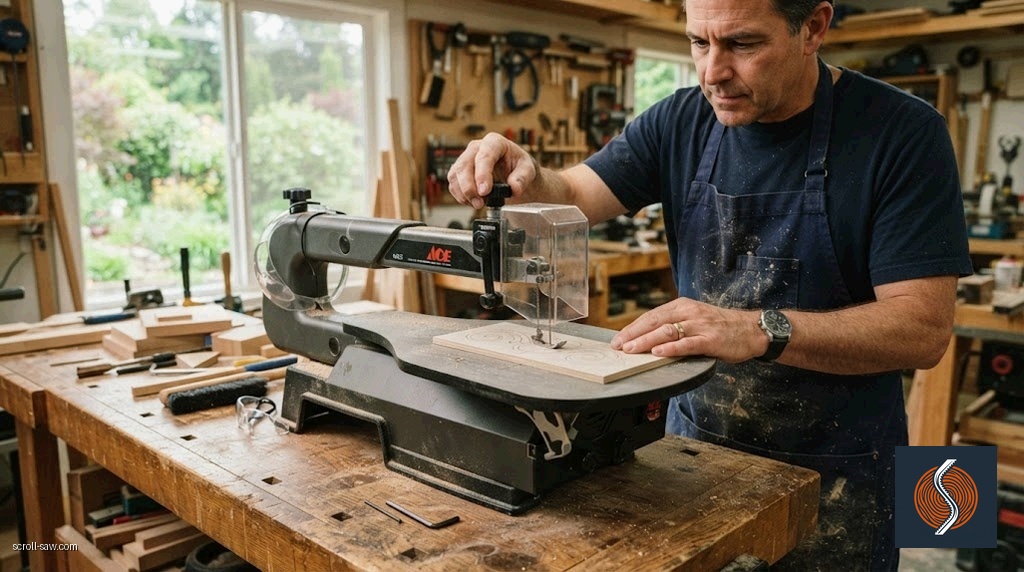
Before You Use Ace 16 Scroll Saw: Fit, Safety, and Performance Checks
A short pre-use check on any scroll saw, including the compact Ace 16, catches most issues before they affect a project. This matters whether the saw is brand new out of the box or has been sitting unused for a while.
Direct answer
Before your first cut, confirm the correct blade type is installed with tooth direction facing down, check tension is adequate, verify table alignment with a square, inspect the power cord and switch, and run a brief no-load test to catch any noise or vibration issues.
Step 1: Blade fit and installation check
Confirm you have installed the correct blade end type, plain or pin, for your specific clamp. Check tooth direction faces downward toward the table, since an upside-down blade will not cut effectively and can bind.
Step 2: Blade tension check
A properly tensioned blade should have minimal side-to-side flex and produce a clear, high-pitched tone when plucked gently. Adjust according to your manual’s specified procedure if tension feels loose.
Step 3: Table alignment
Check the table sits square to the blade using a small square, adjusting as needed before beginning regular use.
Step 4: Electrical safety check
Inspect the power cord for cracking or fraying along its full length, and confirm the switch engages cleanly.
Step 5: No-load run test
With no material loaded, run the saw briefly and listen for unusual noise, watch for excessive vibration, and confirm the blade tracks straight throughout its stroke.
Step 6: Scrap test cut
Once the checks above pass, cut a piece of scrap material matching your intended project’s thickness to confirm real-world cut quality.
What to do if something feels off
If the blade drifts, chatters, or the saw vibrates excessively during the no-load test, stop and recheck blade tension and clamp engagement before proceeding. Most issues at this stage trace back to blade installation rather than a mechanical fault.
Verdict and takeaways
-
A short pre-use checklist catches most common issues before they affect your project.
-
Blade tooth direction and tension are the most common sources of poor initial results.
-
Table alignment and a no-load test confirm the saw is ready for real cutting.
-
Recheck blade installation first if anything feels off during initial testing.
Frequently asked questions
What is the first thing to check before using an Ace 16 scroll saw? Blade installation, confirming correct end type and tooth direction facing downward.
How do I know if blade tension is correct? A properly tensioned blade has minimal side-to-side flex and produces a clear tone when plucked gently.
Do I need to check table alignment every time? At minimum before first use and periodically afterward, especially if the saw has been moved or stored.
What does a no-load test tell me? Whether there is unusual noise, vibration, or blade tracking issues before you commit material to the saw.
Why does my blade drift during the initial test? Usually incorrect tension or an improperly seated blade in the clamp.
Should I test cut on scrap before starting my project? Yes, always confirm real-world cut quality on scrap material before starting your actual project.
References
- General scroll saw safety and pre-use inspection guidance for compact benchtop saws.


