
Getting Useful Results From Amt 4602 Scroll Saw: Setup and Technique
Getting Useful Results From Amt 4602 Scroll Saw: Setup and Technique
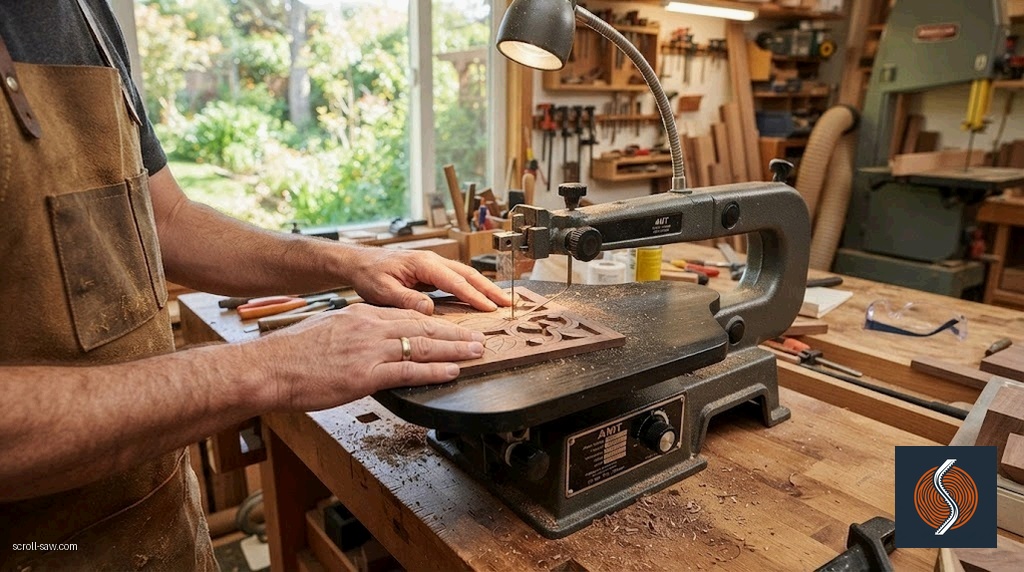
The AMT 4602, a 16-inch scroll saw from a legacy product line, can still produce good results with the right setup and blade approach, even as an older machine. Since documentation for this model can be harder to find than for current production saws, understanding your specific unit’s blade clamp and mechanism matters more than usual.
Direct answer
Focus on confirming your blade clamp’s exact format, since older AMT units can vary in this detail, tension the blade carefully following standard scroll saw procedure, and match blade type to your material since this saw’s speed range is likely more limited than a modern variable speed model.
Confirming your blade clamp format
Before ordering blades, examine your specific unit’s clamp directly. Photograph it if needed for reference while shopping. Standard 5-inch scroll saw blades in plain-end or pin-end format cover most legacy saws, but confirming directly avoids wasted purchases on incompatible blades.
Setup steps
Bench mounting. Secure the saw to a stable bench, checking that the mounting hardware itself has not loosened or corroded over the unit’s service life.
Blade tensioning. Follow standard tensioning technique: a properly tensioned blade shows minimal side-to-side flex and produces a clear tone when plucked.
Table alignment. Check square alignment between table and blade using a small square, adjusting as needed since older units commonly shift out of alignment over years of storage.
Mechanical inspection. Move the arm through its full range of motion by hand with the saw unplugged, checking for play or roughness that could indicate wear in the linkage.
Blade technique for this saw
Given the likely narrower speed range on a legacy unit like this, lean more heavily on blade selection than speed adjustment:
General pattern work. A standard medium blade with a universal blade number handles typical softwood and plywood cutting.
Fine detail work. A finer, higher TPI blade compensates for the reduced ability to slow the saw down for delicate cuts.
Thicker material. A coarser skip-tooth blade improves chip clearance where a variable speed saw might instead simply run slower.
Troubleshooting common issues
Cuts drift off the line. Check blade tension and clamp condition first, since these matter more without a wide speed range to compensate.
Excess vibration. Confirm secure bench mounting and check the arm linkage for wear given the saw’s age.
Blade slips in the clamp. Inspect for wear on the clamp surface and confirm correct blade end type.
Verdict and takeaways
-
Confirm your specific unit’s blade clamp format directly before ordering blades.
-
Lean on blade selection more heavily than speed adjustment given this saw’s likely limited speed range.
-
Inspect the arm mechanism for wear given the saw’s age before regular use.
-
Standard blade tensioning technique applies the same as any scroll saw.
Frequently asked questions
What blades fit the AMT 4602? Most commonly standard 5-inch scroll saw blades, but confirm your exact clamp format directly before ordering.
Why does blade choice matter more on this saw? A legacy unit like this likely has a narrower speed range than modern variable speed saws, so blade type does more of the work.
How do I check if my AMT 4602 has mechanical wear? Move the arm through its full range of motion by hand with the saw unplugged, feeling for play or roughness.
What causes cuts to drift on this saw? Usually blade tension or clamp condition; check both before assuming a mechanical problem.
How do I properly tension the blade? A properly tensioned blade shows minimal side-to-side flex and produces a clear tone when plucked gently.
Is this saw still worth using today? Yes, for general hobby pattern work, provided the mechanism is in good condition and blade compatibility is confirmed.
References
- General legacy scroll saw setup and blade selection guidance.


