
Making Indian Scroll Saw Patterns: From Pattern to Clean Finished Edges
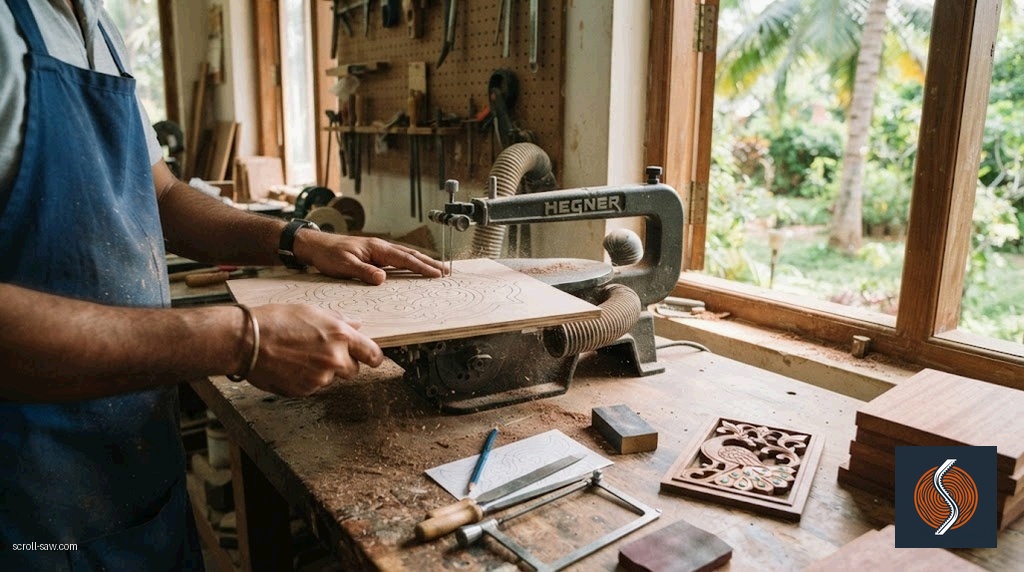
Making Indian Scroll Saw Patterns: From Pattern to Clean Finished Edges
Indian scroll saw patterns can mean two different subject categories: Native American imagery (chief silhouettes, tribal motifs, wildlife with cultural significance) or subcontinental Indian imagery (Ganesh, elephant motifs, mandala patterns, Taj Mahal architecture). Both categories deserve careful subject research and respectful execution. This guide covers pattern approaches for both, with attention to cultural respect.
Indian scroll saw patterns are scroll saw patterns depicting Native American or subcontinental Indian imagery cut from 1/2 to 3/4 inch stock, sized 8 to 18 inches, including tribal silhouettes, chief profiles, elephant patterns, mandala fretwork, and architectural silhouettes. Applications include cultural celebration pieces, gift pieces for people of relevant heritage, and decorative pieces with cultural themes.
The short version of the plan: understand which cultural context the pattern references; source patterns from respectful designers; execute with 3/4 inch Baltic birch or dense hardwood, reverse-tooth #3 or #5 blade, and standard cutting sequence.
Cultural context and respect
Before cutting Indian-themed patterns, understand the cultural context:
Native American imagery. Includes chief silhouettes, tribal art, Native wildlife (eagle, wolf, bear with cultural significance), and traditional geometric patterns. This imagery carries deep cultural significance to Native American peoples. Approach with respect and research.
Subcontinental Indian imagery. Includes Hindu religious symbols (Ganesh, Om), Indian architecture (Taj Mahal), elephant motifs with cultural significance, mandala patterns, and cultural celebrations. This imagery carries religious and cultural significance to Indian peoples.
Respectful practice:
Source patterns from designers who represent the culture accurately.
Avoid commercial sale without cultural connection or licensing.
Use imagery for personal celebration and gifts within appropriate contexts.
Skip patterns that stereotype or simplify sacred imagery.
Acknowledge cultural origins in personal use.
Native American pattern subjects
Common Native American scroll saw pattern subjects:
Chief silhouettes. Historical chief profiles in traditional headdress. Verify chief identity and historical accuracy.
Wildlife with cultural significance. Eagle (many Native cultures), wolf, bear, buffalo. Depicted in traditional style.
Tribal patterns. Geometric patterns from specific tribal traditions. Verify pattern origins.
Dreamcatcher. Iconic Native American object. Fretwork rendering.
Teepee scene. Traditional plains encampment.
Horse and rider. Traditional Native imagery.
Subcontinental Indian pattern subjects
Common subcontinental Indian scroll saw pattern subjects:
Ganesh. Elephant-headed Hindu deity. Widely depicted in Hindu art. Sacred imagery.
Om symbol. Sacred Hindu syllable. Widely depicted.
Elephant motifs. Culturally significant. Often decorative rather than religious.
Mandala patterns. Complex circular geometric patterns. Fretwork.
Taj Mahal silhouette. Iconic Indian architecture.
Peacock. National bird of India. Elaborate plumage detail.
Stock choice
3/4 inch dense hardwood (walnut for dramatic pieces, cherry for warm display, oak for rustic).
3/4 inch Baltic birch plywood for detailed patterns (mandalas, elaborate tribal patterns, Ganesh detail).
1/2 inch stock for smaller pieces.
Blade choice
A reverse-tooth #5 for silhouette outlines.
A reverse-tooth #3 for tribal pattern detail, mandala fretwork, and elaborate cultural imagery detail.
A #2 for premium mandala patterns.
Cutting sequence for cultural patterns
Standard scroll saw cutting sequence applies:
First, drill entry holes.
Second, cut interior detail. For mandala patterns, work from center outward. For silhouettes with interior detail, cut detail first.
Third, cut outer piece boundary as the last cut.
Approach fragile projections carefully; free tips as last cuts.
Finishing cultural pieces
For Native American pieces, wipe-on Danish oil on walnut, cherry, or oak reads authentic and respectful. Skip painted finishes on chief silhouettes; wood tone reads honest.
For subcontinental Indian pieces, wipe-on oil for wood-tone display. Optional gilding on Ganesh or Om pieces adds premium celebration feel. Optional colored accents on mandala patterns.
Common cultural pattern mistakes
| Mistake | What went wrong | Fix |
|---|---|---|
| Pattern stereotypes culture | Simplified or inaccurate imagery | Source patterns from respectful designers; verify cultural accuracy |
| Sacred imagery treated casually | Ganesh, Om, or sacred Native imagery on inappropriate pieces | Reserve sacred imagery for appropriate contexts |
| Sold pieces commercially without cultural connection | Cultural exploitation | Personal use only; cultural connection or licensing required for commercial sale |
| Details vanished in mandala | Detail too fine for blade | Enlarge mandala or use finer blade |
| Chief identity wrong | Historical inaccuracy | Verify chief identity against historical record |
Verdict
Indian scroll saw patterns cover distinct cultural imagery categories. Respectful practice requires: understanding cultural context, sourcing patterns from respectful designers, using imagery in appropriate contexts, and skipping commercial sale without cultural connection.
For a first Indian scroll saw pattern, choose a subject relevant to your cultural context. Mandala patterns are respectful cross-cultural work with clear pattern origins. Native American wildlife (eagle, wolf) with proper attribution is respectful. Subcontinental Ganesh or elephant motifs are respectful for people of relevant heritage.
FAQ
What subjects fall under ‘Indian scroll saw patterns’? Two categories: Native American imagery (chief silhouettes, tribal art, wildlife with cultural significance) or subcontinental Indian imagery (Ganesh, elephants, mandalas, Taj Mahal).
How should I approach cultural imagery respectfully? Understand context. Source patterns from respectful designers. Use imagery in appropriate contexts. Skip commercial sale without cultural connection or licensing. Skip patterns that stereotype or simplify sacred imagery.
What wood is best for cultural pattern pieces? Walnut, cherry, or oak with wipe-on Danish oil for wood-tone display. Baltic birch for detailed mandala or fretwork patterns.
What blade cuts cultural pattern detail? A reverse-tooth #5 for silhouette outlines. A #3 for tribal pattern detail, mandala fretwork, cultural imagery detail.
Can I make a mandala scroll saw pattern? Yes. Mandala patterns are widely respected cross-cultural work. Design with attention to symmetry. Cut from center outward.
Can I make a Ganesh scroll saw pattern? Yes as a personal or cultural celebration piece for people of relevant heritage. Reserve sacred imagery for appropriate contexts. Cultural connection or licensing required for commercial sale.
Can I make a Native American chief silhouette? Yes with verified historical accuracy and respectful sourcing. Verify chief identity. Source pattern from respectful designer.
Can I sell cultural scroll saw pieces? Generally cultural connection or licensing required for commercial sale. Personal use for personal celebration and gifts within appropriate contexts is generally acceptable.
References
-
Fine Woodworking magazine — Scroll saw cultural pattern reference (finewoodworking.com)
-
Popular Woodworking — Scroll saw fretwork and cultural techniques (popularwoodworking.com)
-
Scrollsaw Workshop by Steve Good — Free scroll saw cultural and heritage patterns (scrollsawworkshop.blogspot.com)


