
DeWalt Dw788 20 Inch Scroll Saw: Speed Range, Arm Design, and Ownership Notes
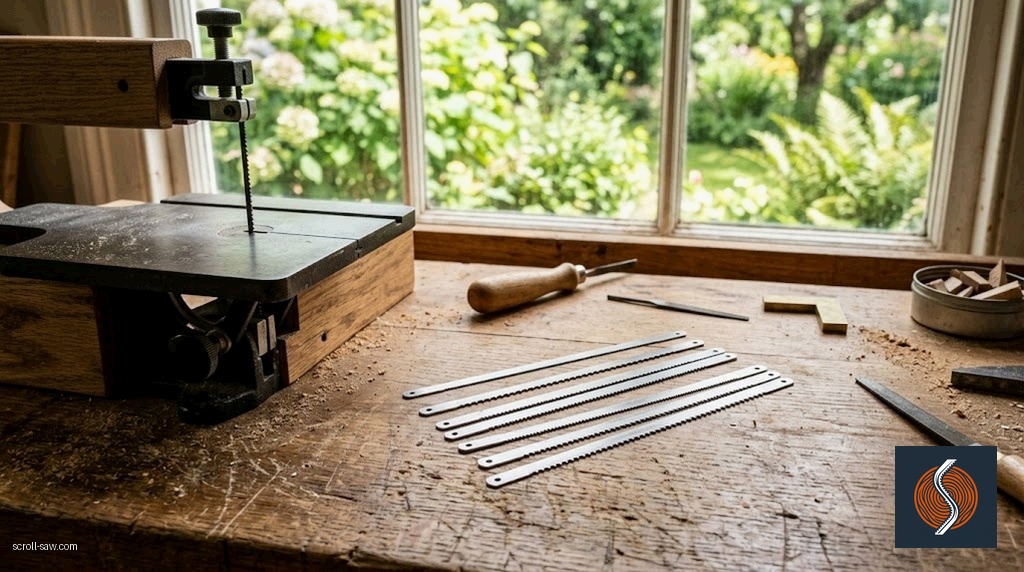
DeWalt Dw788 20 Inch Scroll Saw: Speed Range, Arm Design, and Ownership Notes
The DeWalt DW788 20 inch scroll saw is the machine most serious hobby scrollers in North America either own or aspire to own. It has been in continuous production for more than two decades, its design has changed very little in that time, and its resale value stays high. New owners want to know what makes it worth the price. Existing owners want to know how to keep it running for another decade. This is the plain guide.
Speed range
The DW788 has a variable speed range of approximately 400 to 1,750 SPM controlled by a front-mounted dial. That range covers every material a hobby scroller cuts, from thin plastic at the low end to thick softwood at the top.
Speed by material on the DW788:
-
Softwood under 3/4 inch: 1,300 to 1,500 SPM.
-
Softwood 3/4 to 1-1/2 inch: 1,200 to 1,400 SPM.
-
Hardwood under 1/2 inch: 1,000 to 1,200 SPM.
-
Hardwood 1/2 to 1 inch: 900 to 1,100 SPM.
-
Hardwood over 1 inch: 800 to 1,000 SPM.
-
Plywood: 1,000 to 1,300 SPM.
-
Acrylic: 600 to 800 SPM.
-
Non-ferrous metal sheet: 400 to 700 SPM with a metal-cutting blade.
The speed dial is front-mounted, within reach of the operator without walking around the saw. The dial’s response is smooth across the full range on a working saw. A dead zone or jumping speed points to a failing speed control board, one of the DW788’s few predictable service items over a long ownership.
Arm design
The DW788 uses a double parallel-link arm. Upper and lower blade holders sit on two arms that pivot in sync at the rear of the saw. This produces a very vertical stroke through the entire cutting range.
Why this matters:
Straight cuts stay straight. A vertical stroke does not push the workpiece sideways. Cuts along a line hold that line without correction.
Beveled cuts stay beveled. The stroke stays vertical relative to the arm, so tilting the table produces a clean angled cut without compound distortion.
Blades track better. A blade running in a vertical stroke does not have side loads pushing it out of alignment. Fine blades hold their line where they would deflect on a C-arm saw.
Interior cut threading is easier. The upper arm lifts to allow blade threading through a drilled hole in the workpiece. On a parallel-arm saw this motion is clean and short. On a C-arm saw it is awkward.
The DW788 arm design is one of two main reasons the saw commands its price. The other is the tool-free blade clamp.
The blade clamp
Standard 5-inch plain-end scroll saw blades. Tool-free clamps at both upper and lower positions. A single front-mounted lever drops and restores tension.
Blade change on the DW788 takes under 30 seconds once you have done a dozen of them. Compared to a pin-end saw where you need a key or thumb wheel for each end, this saves real time on projects with many interior cuts.
Universal 5-inch plain-end blades from any quality maker fit. A working blade shelf:
-
General: Olson FR49400 skip-tooth assortment.
-
Cleaner underside: Olson FR49202 reverse-tooth blades.
-
Fine detail: Olson FR44802 fine reverse-tooth blades.
-
Hardwood finish: Olson DT49300 double-tooth blades.
-
Spiral cutting: Olson SP46500 spiral blades.
-
Premium detail: Pégas #7 regular blades.
Long-term ownership
Motor life. The DW788’s 1.3 amp universal motor runs cool. Typical service life in hobby use is decades.
Blade clamp assemblies. The single item most owners eventually replace. After 10+ years of regular use, pin diameter tolerances open up and blades start to seat crooked. Replacement clamps are stocked through DeWalt service.
Speed control board. Typical life is 10 to 20 years of regular use. Board replacement is straightforward.
Tension lever detent. Can wear over time, letting tension drift down mid-cut. Replacement detent hardware is stocked.
Motor brushes. Rare wear item but replaceable.
Cord and switch. Standard, replace when age-hardened.
Cast iron table. Effectively lifetime.
Arm bushings. Long-life. Rarely fail in expected service.
Parts availability through DeWalt service is one of the DW788’s advantages over out-of-production competitors. A DW788 bought today has a reasonable expectation of parts support for decades.
Setup
Bolt or clamp the saw solidly. Even the DW788’s mass benefits from a firm mount.
Square the table to the blade. Fresh blade, engineer’s square, adjust the tilt lock, mark true zero.
Tension by ear. Pluck the blade. Clear high note is right. The DW788 supports real tension. Fine blades ring higher than they would on lighter saws.
Set the pressure foot. Touch at the top of the stroke, no pressing hard.
Wax the cast iron table. Paste furniture wax makes feed noticeably smoother.
Aim the dust blower. Exactly at the cut line on the near side of the blade.
Add real light. The optional DeWalt flex light works. A bench-mounted Neatfi XL magnifying lamp adds full-spectrum light and magnification.
Use the foot switch if available. Hands-free operation changes how you scroll.
Comparison
Against a Delta 40-694, the DW788 is a close peer. Small differences in stroke smoothness and table dimensions.
Against a Pégas 21, the Pégas is a step up in blade tension and chuck refinement at meaningfully higher cost.
Against a used RBI Hawk, the Hawk is a peer at similar used cost.
Against a WEN 3922, the DW788 is a considerable step up.
Who should skip the DW788: a beginner unsure whether scroll sawing will stick. Buy a WEN first. Someone who has already outgrown a budget saw and knows the hobby will continue is exactly who the DW788 serves.
FAQ
What is the speed range of the DW788? Approximately 400 to 1,750 SPM.
What arm design does the DW788 use? Double parallel-link.
What blades does the DW788 take? Standard 5-inch plain-end scroll saw blades.
How thick can the DW788 cut? 2 inches at 90 degrees.
Does the DW788 tilt both directions? Yes. 45 degrees left and 45 degrees right.
How long should a DW788 last? Decades in hobby use with normal wear item replacement.
Are DW788 parts still available? Yes, through DeWalt service and third-party specialists.
Is the DW788 still in production? Yes at time of writing.
What is the weight of the DW788? Approximately 56 pounds bare.
Should I buy a used DW788? If it passes the standard scroll saw inspection and the price is fair, yes.
References
-
DeWalt service center manufacturer parts, manuals, and service reference.
-
Olson Saw scroll saw blade selection chart blade sizing reference.
-
Sawmill Creek archived DW788 threads, long-term ownership impressions and setup notes.


