
Ryobi 16 Variable Speed Scroll Saw: Fix Cut Quality
Ryobi 16 Variable Speed Scroll Saw: Fix Cut Quality
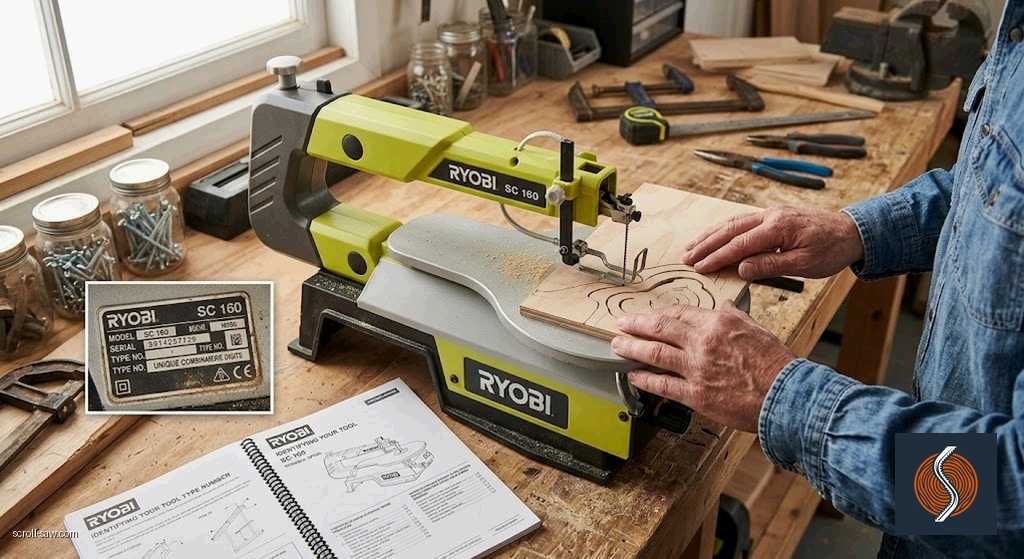
The manual that came with a Ryobi 16-inch variable speed scroll saw covers basic setup, safety, and blade change procedure. What it does not cover in depth is what to do when the saw was cutting fine yesterday and today it is not. That gap is what most owners hit at some point, and the answer is almost always in one of four or five places that the manual mentions only in passing.
Work through them in order. The cheapest fix comes first.
First: the blade
A fresh blade fixes 60 percent of sudden cut-quality problems. Scroll saw blade life is short (measured in minutes of continuous cutting), and the transition from sharp to marginal is quiet.
Swap in a fresh blade of the right size for the material. A #5 skip-tooth for general work, a #7 for thick or hard, a #3 reverse-tooth for plywood fretwork.
Cut a test line in scrap. If clean, the problem was blade wear.
Then: blade tension
The Ryobi 16 tensions from a lever on the upper arm. Correct tension is set by feel and confirmed by pluck test. A #5 blade under correct tension gives a clear high pluck note.
Check that the tension lever is fully engaged. A partly engaged lever leaves the blade under lower tension than expected and produces drift.
Recheck tension partway through long sessions; blades warm and stretch.
Then: the blade clamps
The Ryobi 16’s blade clamps grip plain-end blades with either set screws or cam levers depending on model year. Both develop wear.
Open the clamps with the saw unplugged. Check the gripping face for grooves. Fine grooves clean up with steel wool. Deep wear means the clamp needs replacement, which Ryobi service handles.
Check for dust in the clamp jaws. Dust prevents uniform grip.
Then: the tension mechanism
With no blade installed, work the tension mechanism through its full range. Smooth motion is right. Binding means the pivot needs a drop of light machine oil.
On cam-lever tension systems, check that the cam engages fully. A worn cam does not close completely and leaves the blade under-tensioned.
Then: the arm and motor
With no blade installed, work the upper arm up and down. Feel for lateral play or roughness. Smooth motion with no side movement is right.
With the saw running under no load, listen for smooth motor sound. Hunting or varying RPM points to brush wear or a speed control issue.
Then: the table
Check that the table is perpendicular to the blade at 0 degrees bevel. Place a small square against the blade with the saw stopped. Any gap between square and blade means the table needs adjustment. Table adjustment on the Ryobi 16 is done through the bevel lock mechanism per the manual.
A table that is not square produces angled cuts even when set to 0 degrees, and no amount of blade change or tension adjustment fixes that.
The order matters
Blade, tension, clamps, mechanism, arm and motor, table. Working through in this order handles almost all cut-quality complaints.
What to keep in stock
-
Two dozen 5-inch plain-end blades in your primary size
-
One dozen each of two other sizes
-
Spare cam or set screws depending on your clamp style
-
Light machine oil for the arm pivot
-
Small square for table checks
Olson plain-end scroll saw blades in dozen packs cover the primary blade slot.
Habits
Detension between sessions.
Brush the clamps clean at every blade change.
Store blades flat in a divided case.
Match speed to material before starting.
Oil the arm pivot annually.
Check table square every few months.
When to consult service or replace
Ryobi scroll saws are consumer-grade tools. They serve hobby use well but their per-part replacement cost approaches new-saw cost for major components. If the motor has failed or the arm has developed significant bearing play, comparing repair cost to a new saw makes sense.
For bladed and clamp wear, repair is usually right. For motor or arm bearing replacement, it depends on the saw’s age and your attachment to it.
Who this covers
This guide applies to Ryobi 16-inch variable speed scroll saws across model years, including the SC162VS, SC164VS, and current benchtop models.
FAQ
Where can I find the Ryobi 16 scroll saw manual? Ryobi’s website hosts current and legacy manuals. Search by model number.
Why did my saw suddenly cut poorly? Usually a dulled blade. Replace first.
What blades does it use? Standard 5-inch plain-end scroll saw blades on most units.
How thick can it cut? About 2 inches at 90 degrees on soft wood.
Is Ryobi service still available? Yes, through Ryobi’s US service network.
How long does a blade last? 30 to 60 minutes of continuous cutting.
Should I replace the saw or fix it? Depends on the fault. Blades and clamps are worth fixing. Motor or arm bearing failure warrants comparing to new-saw cost.
References
-
Ryobi Power Tools. Scroll saw product documentation and manuals.
-
Olson Saw Company. Plain-end scroll saw blade catalog.
-
Scroll Saw Woodworking & Crafts forum. Ryobi troubleshooting archive.
Title tag: Ryobi 16 Variable Speed Scroll Saw: Fix Cut Quality Meta description: Beyond the manual: restore cut quality on the Ryobi 16-inch variable speed scroll saw. Blade, tension, clamps, and mechanism. URL slug: ryobi-16-variable-speed-scroll-saw-manual Excerpt: What to change on the Ryobi 16-inch variable speed scroll saw when cut quality drops. A diagnostic path beyond the basic manual for restoring the cuts the saw was capable of when new.


