
DeWalt Scroll Saw Fuse: Failure Symptoms and Replacement Criteria
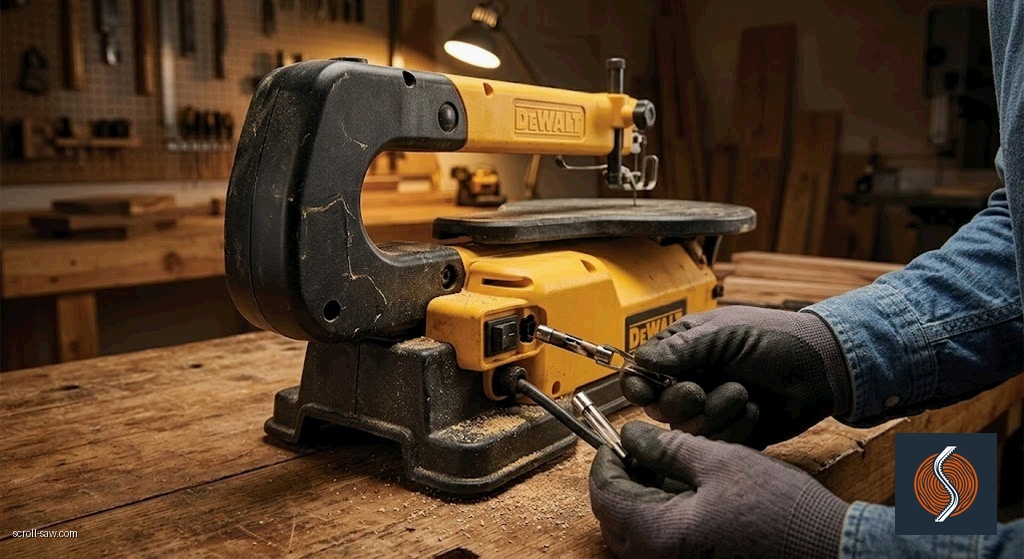
DeWalt Scroll Saw Fuse: Failure Symptoms and Replacement Criteria
You flip the power switch on your DeWalt DW788 and nothing happens. No hum, no movement, no light. The saw was working fine yesterday. You check the outlet, and it is live. The cord is intact. The problem is inside the saw, and on the DW788, that often means the fuse has blown.
A dewalt scroll saw fuse is a small part that causes a big headache when it fails. The good news is that a blown fuse is one of the easiest problems to diagnose and fix on this saw. The bad news is that if you do not understand why the fuse blew, replacing it may just set you up for a repeat failure. Let’s walk through what the fuse does, how to tell if it has failed, and what to consider before you replace it.
What the Fuse Does on the DeWalt DW788
The fuse in the DeWalt DW788 protects the 1.3-amp motor and the saw’s electrical circuit from overcurrent. If too much current flows through the circuit, whether from a motor stall, a short circuit, or a power surge, the fuse blows (the internal wire melts) and breaks the circuit. This prevents damage to the motor windings and reduces fire risk.
The fuse is a sacrificial part. It is designed to fail so that more expensive components do not. When the fuse blows, the saw stops working entirely. No partial operation, no intermittent running. The saw is dead until the fuse is replaced.
This is actually a good thing from a troubleshooting perspective. A blown fuse produces a clear symptom: the saw does nothing when you turn it on. You are not left guessing whether the problem is the switch, the motor, or a loose wire. If the saw was working and then suddenly stopped completely, the fuse is the first thing to check.
Symptoms of a Blown Fuse on the DeWalt Scroll Saw
Here are the signs that point to a fuse problem rather than another issue:
The saw is completely dead. No sound, no movement, no response when you flip the power switch. If the saw were having a motor problem, you would likely hear a hum or see the blade try to move. A blown fuse produces total silence.
The outlet is live. Plug a different tool or a lamp into the same outlet to confirm power is flowing. If the outlet works and the saw does not, the problem is in the saw, not your wiring.
The cord is intact. Inspect the power cord for cuts, kinks, or damage. If the cord is damaged, that could be the cause of the failure, and the fuse may have blown to protect the circuit. Replace the cord before replacing the fuse.
The saw stopped during use. If the fuse blew while you were cutting, think about what happened just before. Did the blade stall? Did you hit a knot or try to cut too fast? A motor stall draws high current and can blow the fuse. Did you hear a pop or smell burning? That could indicate a short circuit, which is a more serious problem than a simple fuse replacement.
How to Check and Replace the Fuse
The fuse on the DeWalt DW788 is located inside the saw housing, typically near the power switch or the power entry point. To access it, you need to open the housing. Consult the owner’s manual or the exploded diagram for the exact location and disassembly procedure.
Here is the general process:
-
Unplug the saw. This is not optional. You are about to open the housing and touch electrical components. If the saw is plugged in, you risk shock.
-
Remove the screws holding the housing panel that covers the fuse. On the DW788, this may require a Phillips screwdriver. Keep track of the screws.
-
Locate the fuse. It is a small glass or ceramic fuse in a fuse holder. Remove it from the holder.
-
Inspect the fuse. A glass fuse with a visible filament: if the filament is broken or the glass is darkened, the fuse is blown. A ceramic fuse: test it with a multimeter set to continuity. If the multimeter does not beep, the fuse is open (blown).
-
Replace the fuse with one of the same rating. The fuse rating is printed on the fuse body or specified in the owner’s manual. Using a fuse with a higher rating is dangerous because it will not blow when it should, and you risk motor damage or fire. Using a lower rating means the fuse will blow prematurely under normal operation.
-
Reassemble the housing and plug in the saw. Test the power switch. If the saw runs, the fuse was the problem. If the saw does not run, or if the new fuse blows immediately, you have a deeper issue.
Why Fuses Blow: Common Causes
Understanding why the fuse blew tells you whether a simple replacement will fix the problem or whether you need to address the root cause:
Motor stall. If the blade stalls during a cut (from feeding too fast, hitting a knot, or using a dull blade), the motor draws high current. This is the most common cause of a blown fuse on a scroll saw. If this is the cause, replacing the fuse and adjusting your technique (slower feed, sharper blade) will solve the problem.
Power surge. A voltage spike from the electrical supply can blow the fuse. This is a one-time event. Replace the fuse and the saw should work normally. If you experience frequent power surges in your shop, consider a surge protector for your tools.
Short circuit. If a wire inside the saw has chafed or a component has failed, it can create a short circuit that blows the fuse. If the new fuse blows immediately when you install it, you have a short. Do not keep replacing fuses. You need to find and fix the short, which may require professional repair.
Dust intrusion. Fine sawdust can accumulate inside the saw housing over time. If dust settles on electrical contacts or the switch, it can cause a short or increased resistance that leads to overheating and fuse failure. Cleaning the interior of the saw periodically helps prevent this.
When to Replace the Fuse vs. When to Seek Repair
A dewalt dw788 scroll saw fuse replacement is a do-it-yourself job if the cause is simple. If the fuse blew once due to a motor stall or a power surge, replace it and move on. Keep a spare fuse on hand so you are not stopped in the middle of a project.
But some situations call for more than a fuse swap:
The new fuse blows immediately. This means there is a short circuit or a failed component in the saw. Replacing the fuse again will not help. You need to diagnose the short or take the saw to a repair shop.
The fuse blows repeatedly. If you replace the fuse and it blows again after a short time of normal operation, something is causing excessive current draw. The motor may be failing, or there may be an intermittent short. This needs professional diagnosis.
You see or smell burning. If you notice a burning smell, scorch marks inside the housing, or discolored wires, the problem is beyond a fuse. There is electrical damage that needs to be repaired before the saw is safe to use.
You are not comfortable with electrical work. If opening the saw housing and handling fuses is outside your comfort zone, take the saw to a qualified repair technician. There is no shame in this. A scroll saw is a power tool, and electrical safety is not something to learn by trial and error.
Preventing Fuse Failures
Most fuse failures on the DW788 are preventable with a few habits:
Keep the blade sharp and appropriate for the material. A dull blade or a blade that is too fine for the stock forces the motor to work harder, increasing current draw and the risk of a stall that blows the fuse.
Feed at a steady, moderate pace. Forcing the workpiece into the blade loads the motor and can cause a stall. Let the blade cut at its own pace. The 1.3-amp motor has enough power for normal scroll saw work, but it is not a band saw motor. Respect its limits.
Keep the saw clean. Dust intrusion is a real cause of electrical problems. Blow out the interior of the saw periodically with compressed air (with the saw unplugged). Pay attention to the area around the switch and the motor.
Use a surge protector. A simple power strip with surge protection can absorb voltage spikes before they reach the saw. This is a cheap investment that protects the fuse and the motor.
Keep spare fuses on hand. Fuses are inexpensive. Having two or three spares in your shop means a blown fuse costs you five minutes, not a trip to the hardware store in the middle of a project.
My Verdict
The fuse on the DeWalt DW788 is a simple, protective component that does its job. When it blows, the diagnosis is straightforward: the saw is dead, the outlet is live, and the fuse is the first thing to check. Most fuse failures are caused by motor stalls or power surges, and a simple replacement gets you back to cutting.
The flaw in the system is that the fuse is inside the housing, which means you need to open the saw to replace it. Some tools have an externally accessible fuse holder that makes replacement a 30-second job. The DW788 requires a screwdriver and a few minutes. This is not a major problem, but it is an inconvenience when you are in the middle of a project.
If your fuse blows once, replace it and carry on. If it blows twice, stop and find the cause. The fuse is telling you something, and ignoring the message will cost you more than a fuse.
FAQ
Where is the fuse located on the DeWalt DW788 scroll saw? The fuse is inside the saw housing, typically near the power switch or power entry point. You need to remove screws to open the housing panel and access the fuse. Consult the owner’s manual or exploded diagram for the exact location and disassembly steps.
What causes the fuse to blow on a DeWalt scroll saw? The most common causes are motor stalls (from feeding too fast or using a dull blade), power surges, short circuits from damaged wiring, and dust intrusion on electrical contacts. A motor stall draws high current, which the fuse protects against by breaking the circuit.
Can I replace the fuse on my DeWalt DW788 myself? Yes, if you are comfortable opening the saw housing and working with basic electrical components. Always unplug the saw first. Remove the housing panel, locate the fuse, test it with a multimeter or visual inspection, and replace it with a fuse of the same rating.
What rating fuse does the DeWalt DW788 use? The fuse rating is specified in the owner’s manual and printed on the fuse body. Always replace the fuse with one of the exact same rating. Using a higher-rated fuse is dangerous and can allow motor damage or fire. Using a lower-rated fuse will blow prematurely during normal operation.
Why does my DeWalt scroll saw fuse keep blowing? If the fuse blows repeatedly, there is an underlying problem causing excessive current draw. Possible causes include a failing motor, an intermittent short circuit, or dust accumulation on electrical components. Stop replacing fuses and have the saw diagnosed by a qualified repair technician.
Should I keep spare fuses for my DeWalt scroll saw? Yes, keeping two or three spare fuses on hand is a good practice. Fuses are inexpensive, and having spares means a blown fuse costs you five minutes instead of a trip to the hardware store in the middle of a project.
Is a blown fuse a sign of a bigger problem with my scroll saw? Not necessarily. A single blown fuse is often caused by a motor stall or a power surge and is not a sign of a larger issue. However, if the fuse blows immediately after replacement or blows repeatedly during normal operation, there is likely a deeper electrical problem that needs diagnosis.
References
- DeWalt DW788 owner’s manual and exploded diagram, DeWalt.com
- Power tool electrical safety, U.S. Consumer Product Safety Commission, CPSC.gov
- Electrical safety standards for portable tools, OSHA.gov
Title Tag: DeWalt Scroll Saw Fuse Guide Meta Description: Learn how to diagnose a blown fuse on your DeWalt scroll saw, identify failure symptoms, replace the fuse correctly, and prevent future failures with proper maintenance. URL Slug: dewalt-scroll-saw-fuse-failure-symptoms-and-replacement-criteria Excerpt: A blown fuse on the DeWalt DW788 produces a clear symptom: the saw is completely dead. This guide covers how to locate and test the fuse, common causes of failure, replacement steps, and when to seek professional repair.


